Getting around Manitoba
🚍 Transportation
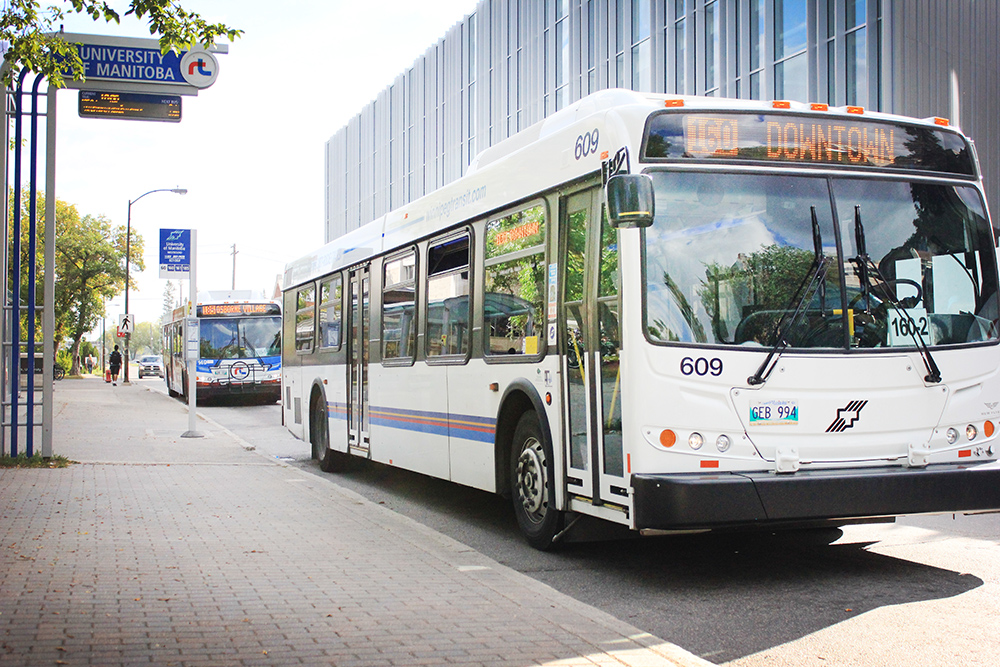



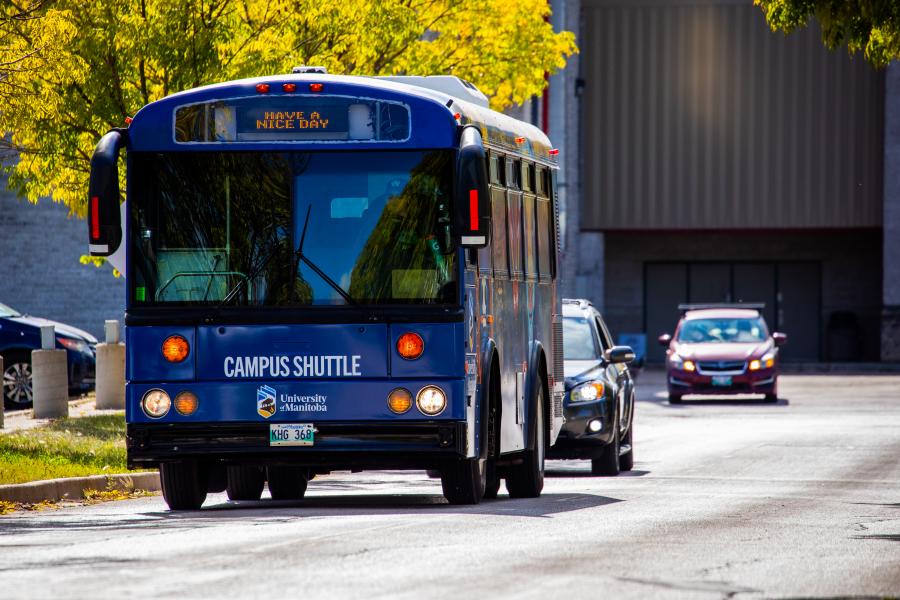
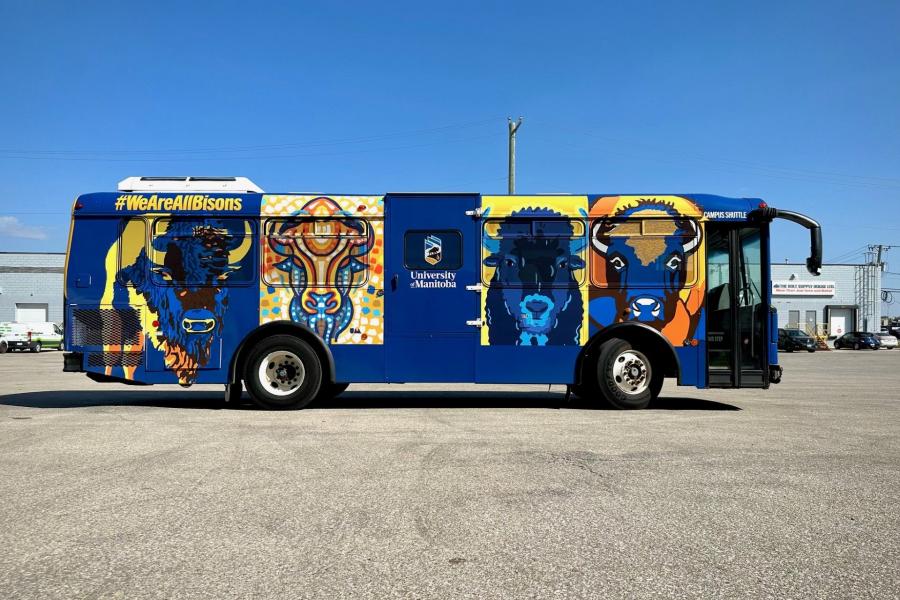
- The city bus system (Winnipeg Transit) is the main way to commute to/from campus. For example: a single‑ride fare for an adult is CAD $3.35. (info.winnipegtransit.com)
- Monthly e‑pass fares: adult $115.50; youth/student reduced $84.70. (info.winnipegtransit.com)
- From U of M’s international student budgeting page: “Transportation (bus pass for 12 months) = CAD $1,072”. (University of Manitoba)
- That works out to ~CAD $89/month (1,072/12).
- Tips for students:
- Live closer to the campus (e.g., near the Fort Garry campus) to reduce commute time and transit cost.
- Get familiar with the “Peggo” card system (tap‑on bus).
- Winter in Manitoba is harsh — account for possible delays or extra time for travel.
- If you prefer biking/walking: U of M mentions bike‑and‑bus options and shuttle buses across campus.
- If you’ll have a car: factor in parking, insurance (often higher for out‑of‑province cars), and winter driving gear.
Summary: Transportation is quite affordable compared with larger Canadian cities. Estimate maybe CAD $80‑100/month if you use transit daily, less if you live very close or walk.
🥗 Food & Groceries
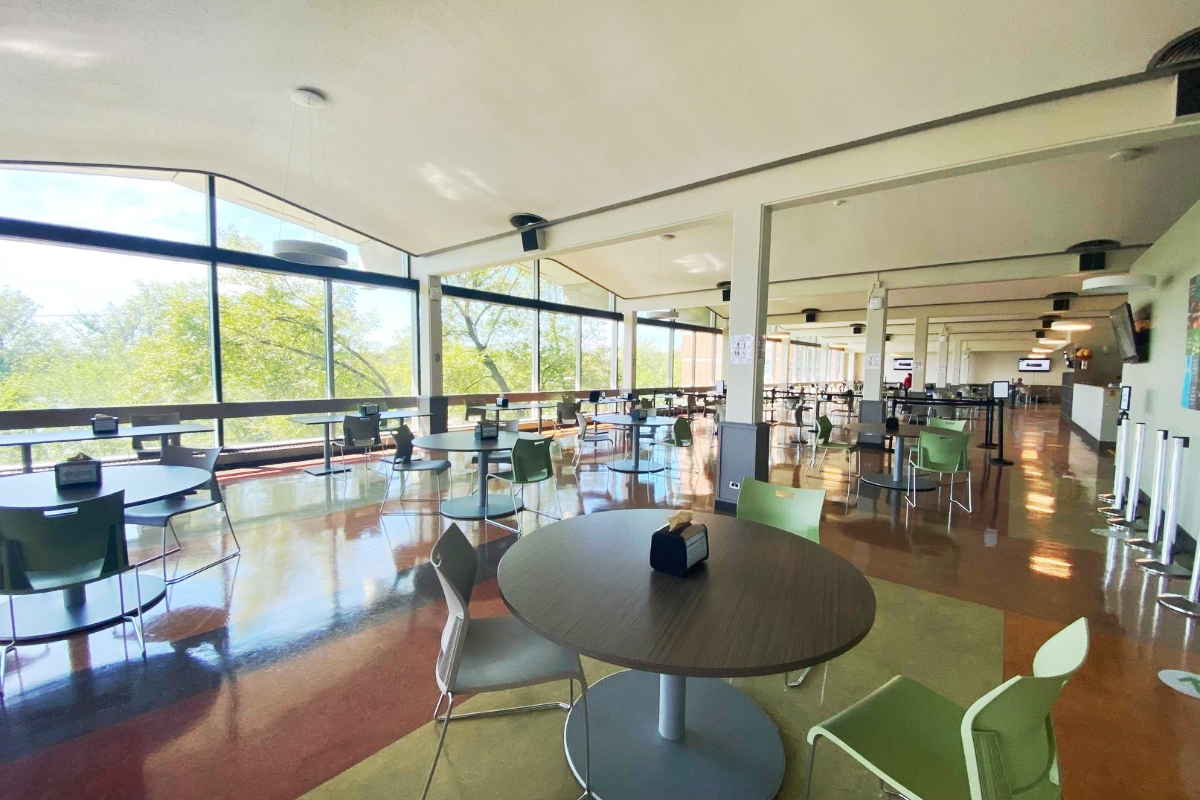
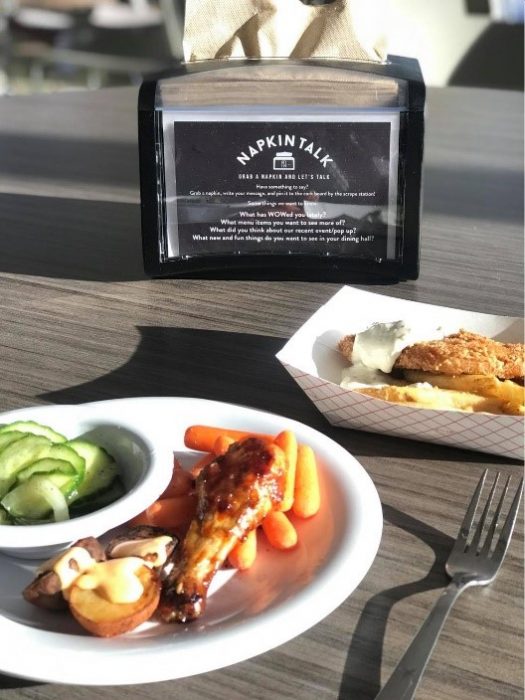

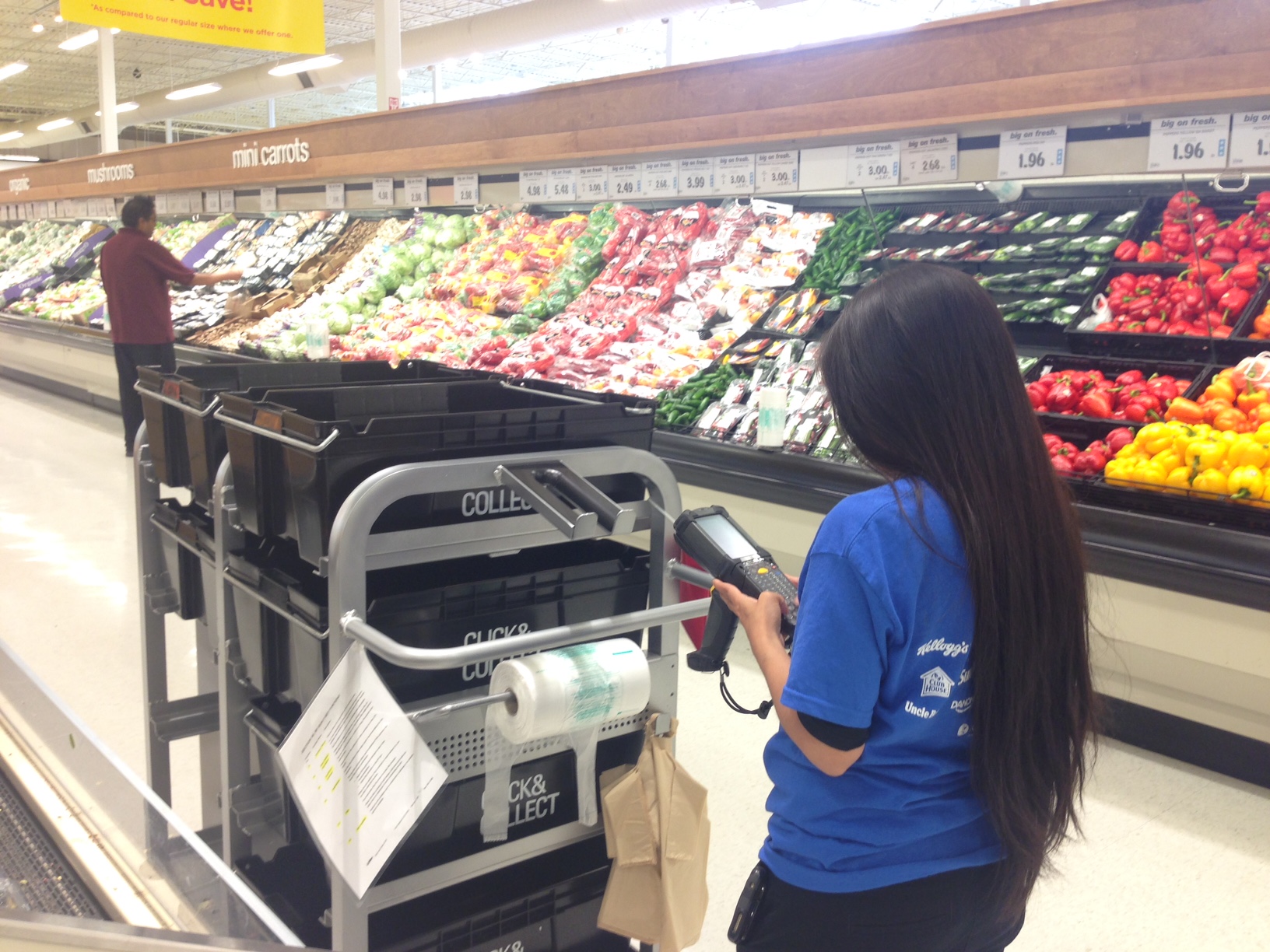

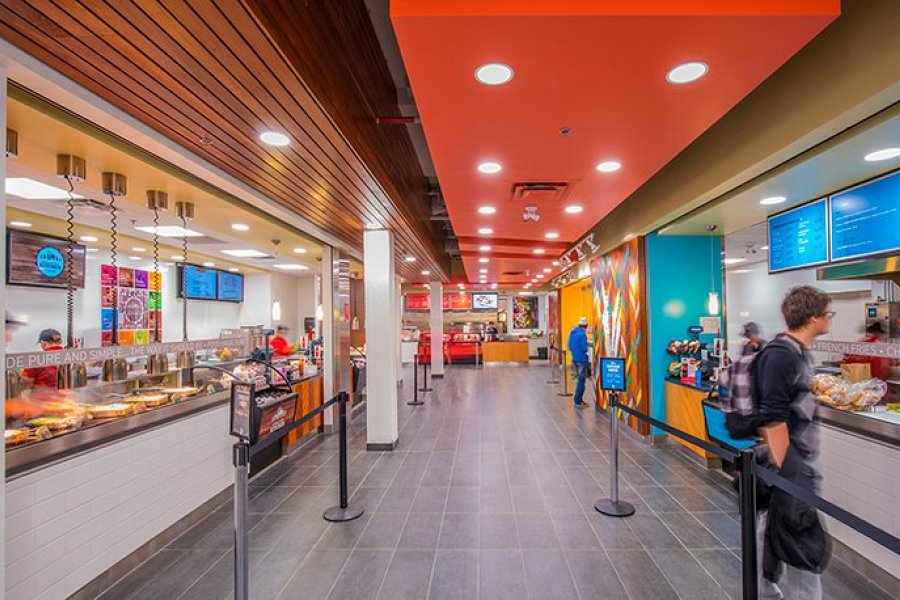
- Within campus: The dining hall at U of M (“The Fresh Food Company – Pembina Hall”) lists walk‑in price examples: breakfast ~$CAD 11.49; lunch ~$16.19; dinner ~$19.36. (umanitoba.campusdish.com)
- U of M’s international student budgeting guide lists “Food = CAD $3,600 per year” for a modest lifestyle. (University of Manitoba)
- That’s ~CAD $300/month (3,600/12).
- Broad cost‑of‑living sources: groceries for a student in Winnipeg ~CAD 200‑400/month if cooking at home. (Leverage Edu)
- Also, food insecurity is reported: A survey found many students at U of M indicating they skip meals because of high menu prices. (Winnipeg Free Press)
- Tips for students:
- Cooking your own meals saves a lot compared with eating out each time.
- Shop at discount grocery stores, use flyers/discount apps.
- On‑campus meal plans (if you live in residence) might include everything; weigh cost vs. off‑campus cooking.
- For special diets (e.g., halal, vegetarian), check availability early.
Summary: Budget around CAD $250‑350/month for food if you cook most of the time, but eating many meals out will push that higher.
🏠 Living & Miscellaneous Costs (Quick Context)
- Accommodation: U of M estimates on‑campus residence + meal plan EUR ~CAD $10,000‑17,000 per academic year (Sept–Apr) for a typical residence package. (University of Manitoba)
- Off‑campus shared housing: Many estimates show one‑bedroom apartments in Winnipeg ~CAD $800‑$1,200/month (shared may be less) for student‑friendly spots. (integraaconsultants.com)
- The “Cost of Living in Winnipeg” data: lunch ~$15.50; fast‑food meal ~$10.70; one‑bedroom apt city centre ~$CAD $838/month (though depends heavily on location) (Livingcost)
- Other costs: winter clothing, utilities, phone/internet, entertainment. U of M lists “Miscellaneous (clothing, initial winter clothing, phone, entertainment) = CAD $4,300/yr”. (University of Manitoba)
🎓 Student‑Friendly Checklist (Coming from Ontario)
- Make sure your transit card (Peggo) is registered/university‑linked for student fare discounts.
- If living off‑campus, pick a location with direct bus routes to U of M (Fort Garry campus) to avoid long commutes.
- Budget monthly (example):
- Transit: CAD $80‑100
- Food (groceries + occasional eating out): CAD $250‑350
- Rent/shared housing: CAD $600‑900+ depending on location/roommates
- Save up for winter: Winnipeg winters are cold, so warm coat, boots, etc are a must (one‑time cost).
- Explore cooking for yourself; use the campus food bank if you hit a tight spot. (University of Manitoba)
- Compare on‑campus dining vs your own cooking: for example if you rely entirely on dining hall meals (~CAD $11‑20 per meal) it adds up quickly.
- Use student discounts, second‑hand furniture/appliances, and shared rooms to lower housing cost.